Insight
The Hidden Risk
After a FallThe Hidden Risk
After a Fall
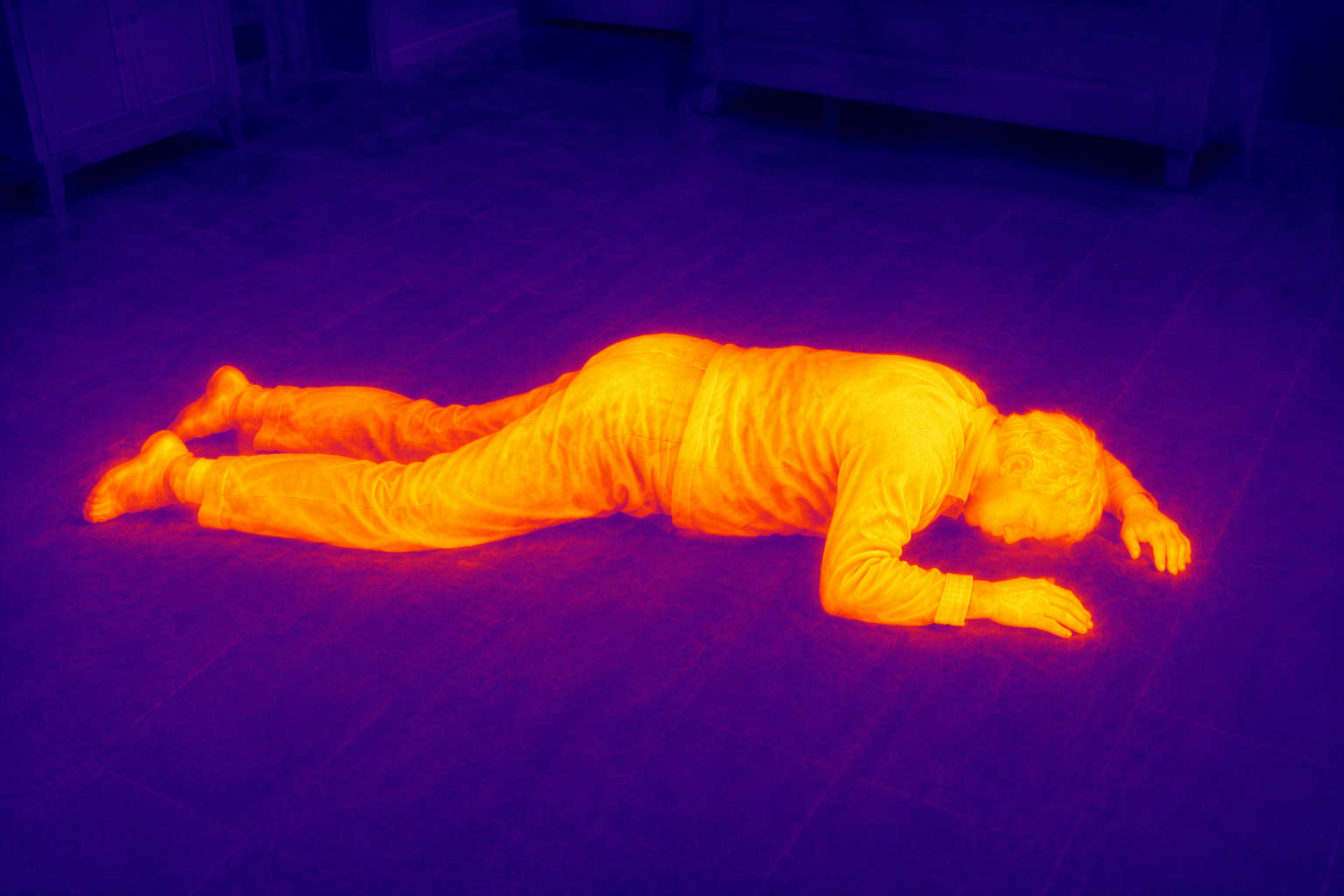
When people think about fall detection, they usually focus on the moment of the fall itself.
But in many cases, the greater danger comes afterward.
A person may fall and remain on the floor for hours without help. This is known as a Long-Lie Event.
Research has shown that prolonged time on the floor can lead to dehydration, hypothermia, pressure injuries, muscle damage, and significantly worse health outcomes.
In some cases, the inability to receive timely assistance can be more dangerous than the fall itself.
Traditional fall detection technologies often focus on answering one question:
Did a fall occur?
However, a more important question may be:
Is the person still on the floor?
This is where Long-Lie Detection becomes critical.
By combining advanced sensing technologies, modern monitoring systems can identify not only a potential fall but also whether a person remains motionless afterward.
This allows caregivers and family members to respond faster and potentially prevent serious complications.
As the senior population continues to grow, the future of home safety is not simply about detecting falls.
It is about understanding the full situation and delivering help when it matters most.
Because it's not just the fall. It's what happens after.